

In most gym conversations, compound lifts tend to dominate the discussion. Squats, deadlifts, bench press — these are treated as the foundation of any serious training programme. And for good reason.
But there is another category of exercise that often gets misunderstood, underused, or dismissed entirely: isolation exercises.
If compound movements are the foundation, isolation exercises are the precision tools. They are not designed to replace big lifts, but to refine, correct, and develop specific muscle groups with targeted focus.
Understanding when and how to use them can make the difference between simply getting stronger — and building a balanced, well-developed physique.
What Are Isolation Exercises?
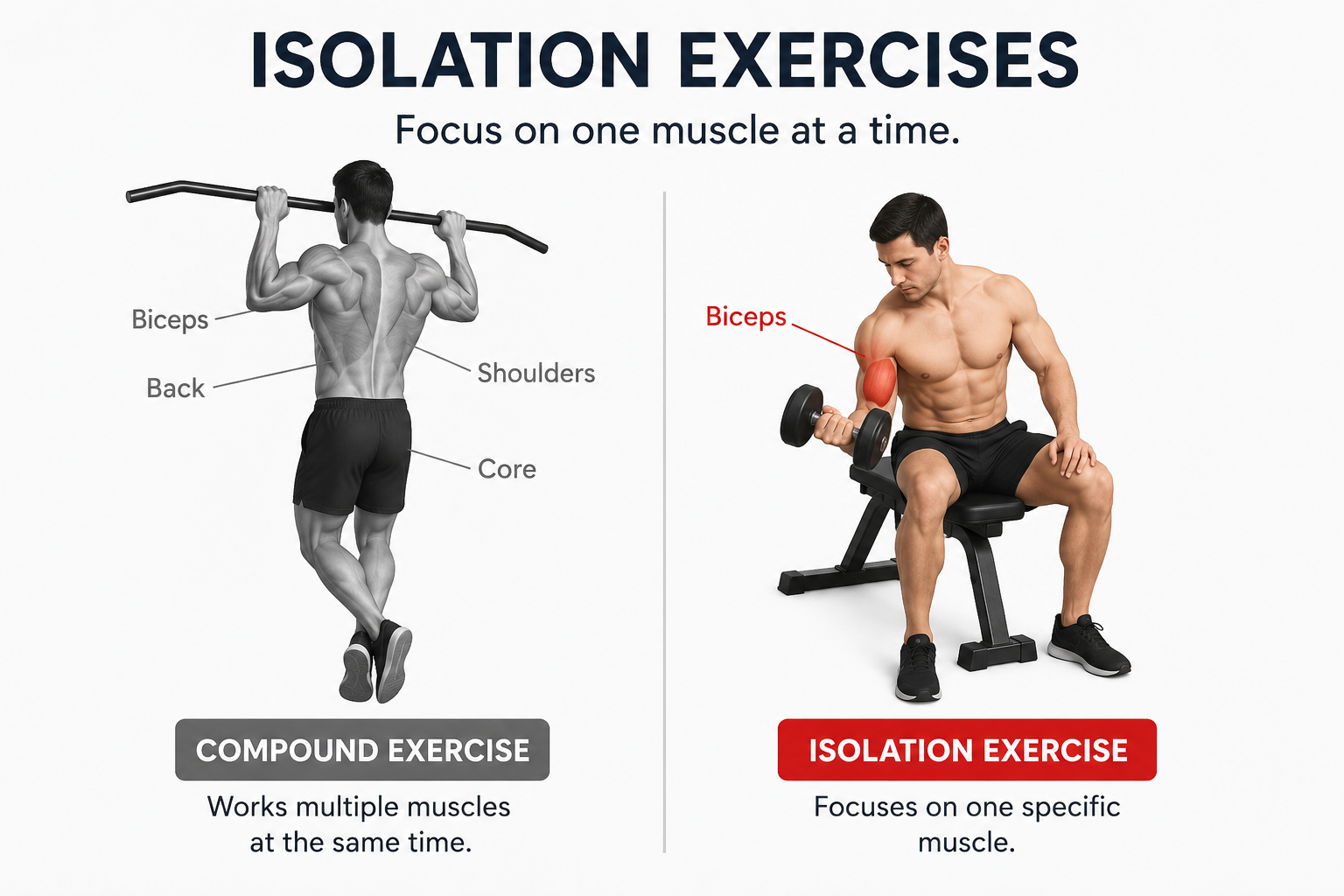
Isolation exercises are movements designed to target one primary muscle group, minimising the involvement of surrounding muscles.
Unlike compound exercises, which involve multiple joints and muscle groups working together, isolation movements typically involve movement at a single joint.
For example:
- A bicep curl isolates the biceps (elbow joint movement)
- A leg extension isolates the quadriceps (knee joint movement)
- A lateral raise isolates the medial deltoid (shoulder joint movement)
In essence, isolation exercises allow you to focus tension on a specific muscle without significant assistance from others.
This makes them particularly useful for hypertrophy, muscle symmetry, and addressing weak points.

Compound vs Isolation Exercises: The Key Difference
To understand isolation training properly, it is important to contrast it with compound exercises.
Compound Exercises
These involve multiple joints and muscle groups working together.
Examples include:
- Squat
- Deadlift
- Bench press
- Pull-ups
- Overhead press
They are highly efficient, allowing you to lift heavier loads and stimulate large amounts of muscle mass at once.
Isolation Exercises
These focus on a single muscle group or joint movement.
Examples include:
- Bicep curls
- Tricep pushdowns
- Leg extensions
- Hamstring curls
- Cable flys
They provide targeted stress to a specific muscle rather than distributing load across multiple areas.
Both have value — but they serve different purposes within a training programme.

Why Isolation Exercises Are Useful
Isolation exercises are not “better” than compound lifts — but they are essential when used correctly.
1. Targeted Muscle Growth (Hypertrophy)
Isolation exercises allow you to place direct mechanical tension on a specific muscle.
This is particularly useful when:
- A muscle group is lagging behind others
- You want to improve muscle shape or size
- You need to increase training volume without overloading compound lifts
For example, if your chest is underdeveloped relative to your triceps and shoulders, cable flys or pec deck work can help increase targeted stimulation without systemic fatigue.
2. Improved Mind-Muscle Connection
Isolation movements make it easier to focus on a single muscle contracting.
This improves neuromuscular control, which can enhance overall training quality — even during compound lifts.
For example, learning to properly engage the glutes through cable kickbacks can improve squat mechanics and hip drive.
3. Reduced Systemic Fatigue
Compound lifts place a high demand on the central nervous system and multiple muscle groups.
Isolation exercises:
- Require less overall energy
- Create less systemic fatigue
- Allow for additional training volume without overtraining
This makes them useful at the end of workouts or during higher-volume hypertrophy phases.
4. Injury Rehabilitation and Joint Safety
Isolation exercises are often used in physiotherapy and rehab settings because they:
- Allow controlled loading of specific muscles
- Reduce stress on joints
- Help rebuild strength after injury
For example, leg extensions can strengthen the quadriceps without loading the spine.
Drawbacks of Isolation Exercises
Despite their benefits, isolation exercises have limitations — and they should never replace compound movements entirely.
1. Less Overall Muscle Activation
Isolation exercises only target one muscle group at a time, meaning:
- Lower total muscle recruitment
- Less metabolic demand
- Reduced hormonal response compared to compound lifts
Compound exercises generally provide a more efficient stimulus for overall strength and muscle development (Schoenfeld, 2010).
2. Lower Functional Carryover
Most real-world movements and athletic performance rely on multiple muscles working together.
Compound lifts better replicate these patterns, improving:
- Coordination
- Stability
- Strength transfer to sports and daily movement
Isolation exercises have limited functional overlap in comparison.
3. Time Inefficiency
To train the entire body using isolation exercises alone would require significantly more time.
For example:
- Chest, shoulders, triceps each require separate exercises
- Compared to one bench press covering all three
This makes isolation-only training impractical for most people.
4. Limited Strength Development
While isolation exercises can build muscle size, they are not as effective for maximal strength development.
Heavy compound lifts are superior for:
- Neural adaptation
- Force production
- Overall strength progression
Isolation Exercises by Muscle Group (Practical Examples)
Below is a breakdown of effective isolation exercises for each major muscle group.
Chest (Pectorals)
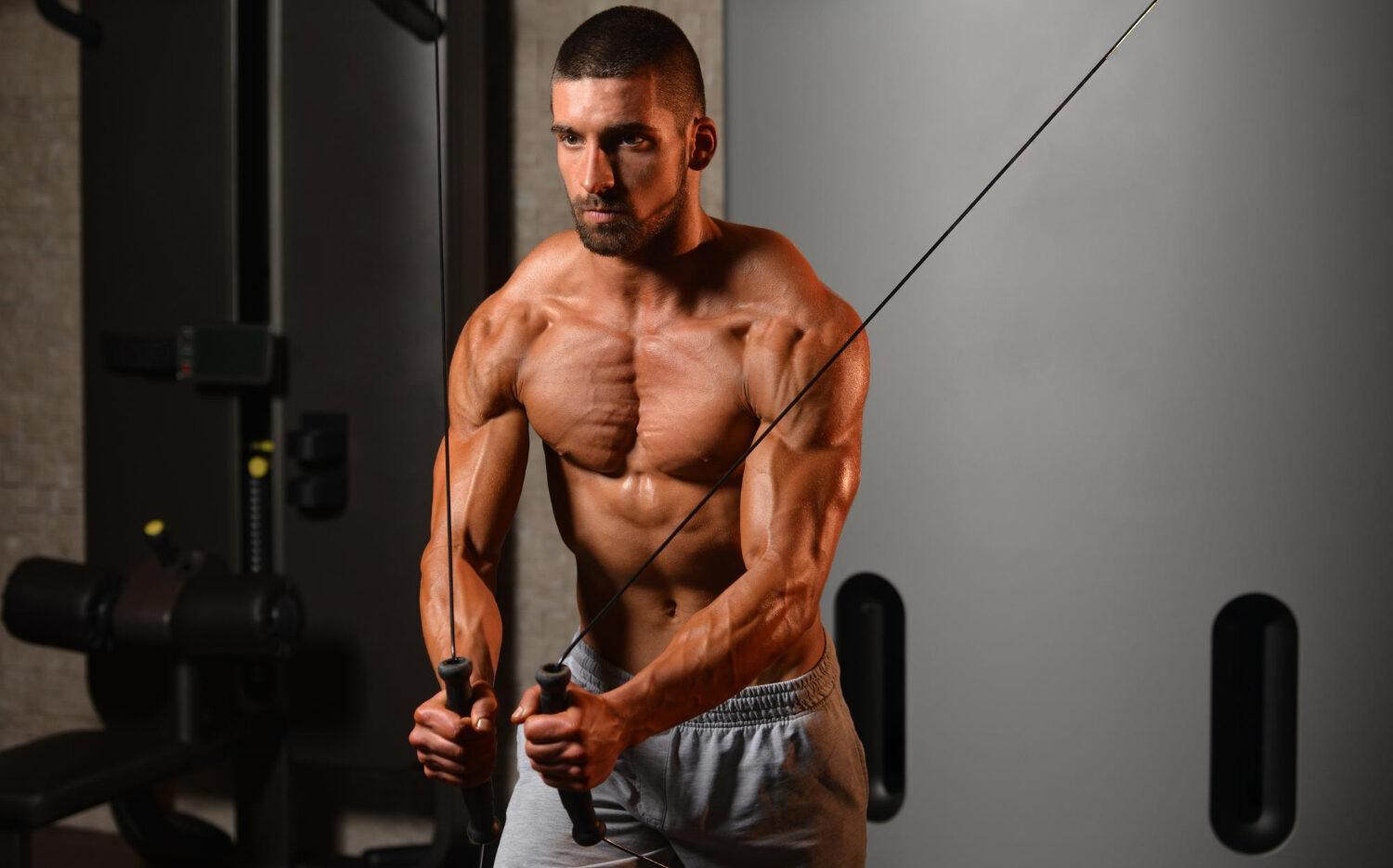
- Cable flys
- Pec deck machine
- Dumbbell flys
These movements emphasise adduction of the arms, directly targeting the chest fibres.
Back (Lats and Upper Back)
- Straight-arm pulldowns
- Single-arm cable rows
- Reverse pec deck (rear delts also involved)
These reduce bicep involvement and isolate back musculature more effectively.
Shoulders (Deltoids)
- Lateral raises (medial delts)
- Front raises (anterior delts)
- Reverse flys (posterior delts)
Isolation work is particularly important for shoulder development due to the complex structure of the deltoid.

Biceps
- Dumbbell curls
- Preacher curls
- Cable curls
These isolate elbow flexion and directly load the biceps brachii.
Triceps
- Tricep pushdowns
- Overhead tricep extensions
- Skull crushers
These target elbow extension, particularly the long head of the triceps.
Quadriceps
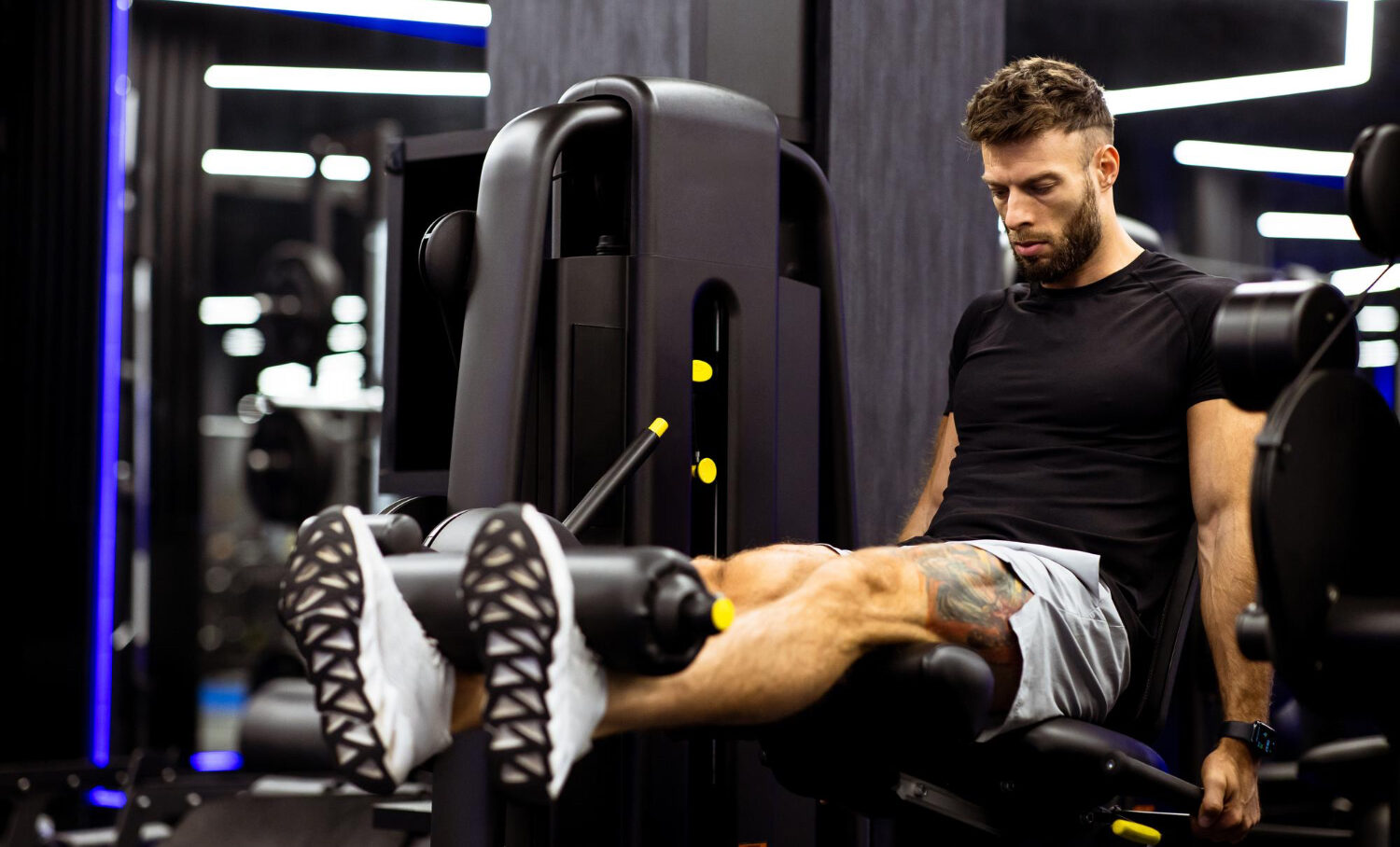
- Leg extensions
- Sissy squats (bodyweight or weighted)
These isolate knee extension without significant hip involvement.
Hamstrings
- Lying leg curls
- Seated leg curls
- Nordic curls
These focus on knee flexion and hamstring activation.
Glutes
- Cable kickbacks
- Glute bridges (machine or bodyweight variations)
- Hip abduction machine
These emphasise hip extension and abduction.
Calves
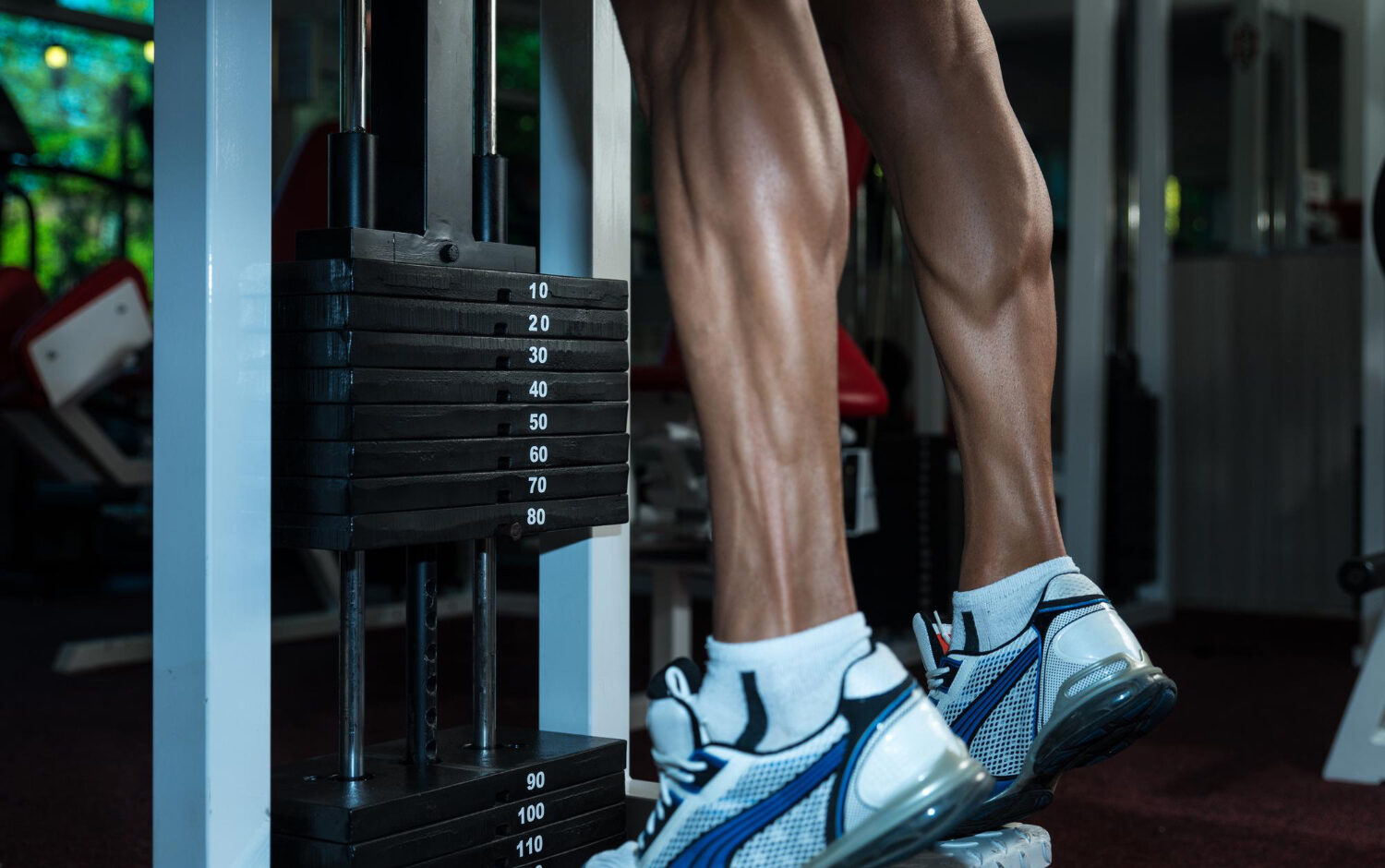
- Seated calf raises (soleus emphasis)
- Standing calf raises (gastrocnemius emphasis)
Calves respond well to high frequency and controlled range of motion.
When Should You Use Isolation Exercises?
Isolation work is most effective when used strategically, not randomly.
Ideal Use Cases:
- After compound lifts in a workout
- During hypertrophy-focused training phases
- To correct muscle imbalances
- During injury recovery or deload periods
A typical balanced session might include:
- 1–3 compound lifts
- 2–4 isolation exercises
This ensures both strength development and muscular detail.
Compound + Isolation: The Optimal Combination
The most effective training programmes do not choose between compound and isolation exercises — they integrate both.
A practical structure might look like:
- Compound lift (e.g. bench press) → primary strength stimulus
- Isolation movement (e.g. cable fly) → targeted hypertrophy work
This combination allows:
- Heavy loading for strength
- Precision work for muscle development
- Balanced fatigue management
Isolation Exercises: keep this in Mind
Isolation exercises are often misunderstood as “less important” than compound lifts. In reality, they serve a different purpose entirely.
They are not designed to replace heavy compound movements — but to refine and enhance them.
Used correctly, they allow you to:
- Develop lagging muscle groups
- Improve symmetry and aesthetics
- Increase training volume safely
- Strengthen the mind-muscle connection

But without compound lifts, they lack the systemic stimulus required for full-body strength and athletic development.
The key is balance.
Train heavy to build the foundation.
Use isolation work to refine the structure.
That is how a well-developed physique is built — not through extremes, but through intelligent programming.
References
- Schoenfeld, B.J. (2010). The mechanisms of muscle hypertrophy and their application to resistance training.Journal of Strength and Conditioning Research.
- American College of Sports Medicine (2009). Progression models in resistance training for healthy adults.
- Gentil, P. et al. (2017). Effects of adding single-joint exercises to a multi-joint resistance training programme.Sports Medicine.
- Enoka, R.M., & Duchateau, J. (2017). Motor unit recruitment and neuromuscular adaptations. Journal of Physiology.
- Wakahara, T. et al. (2013). Muscle activation during resistance training exercises. European Journal of Applied Physiology.