
The biceps curl is one of the most recognisable exercises in the gym. Ask someone to pretend they’re lifting weights and chances are they’ll mimic a curling motion. Despite its popularity, however, many people perform the exercise incorrectly, often reducing its effectiveness and increasing the risk of injury.
While the biceps curl may appear simple, good technique can make a significant difference to your results. Small adjustments to your grip, posture, range of motion, and tempo can help you build stronger, more developed arms while ensuring the target muscles are doing the work.
Whether you’re new to resistance training or looking to refine your technique, understanding how to perform biceps curls correctly can help you get more from every repetition.
In this guide, we’ll cover proper form, the muscles worked, common mistakes, exercise variations, and practical tips for building bigger and stronger biceps.

What Is a Biceps Curl?
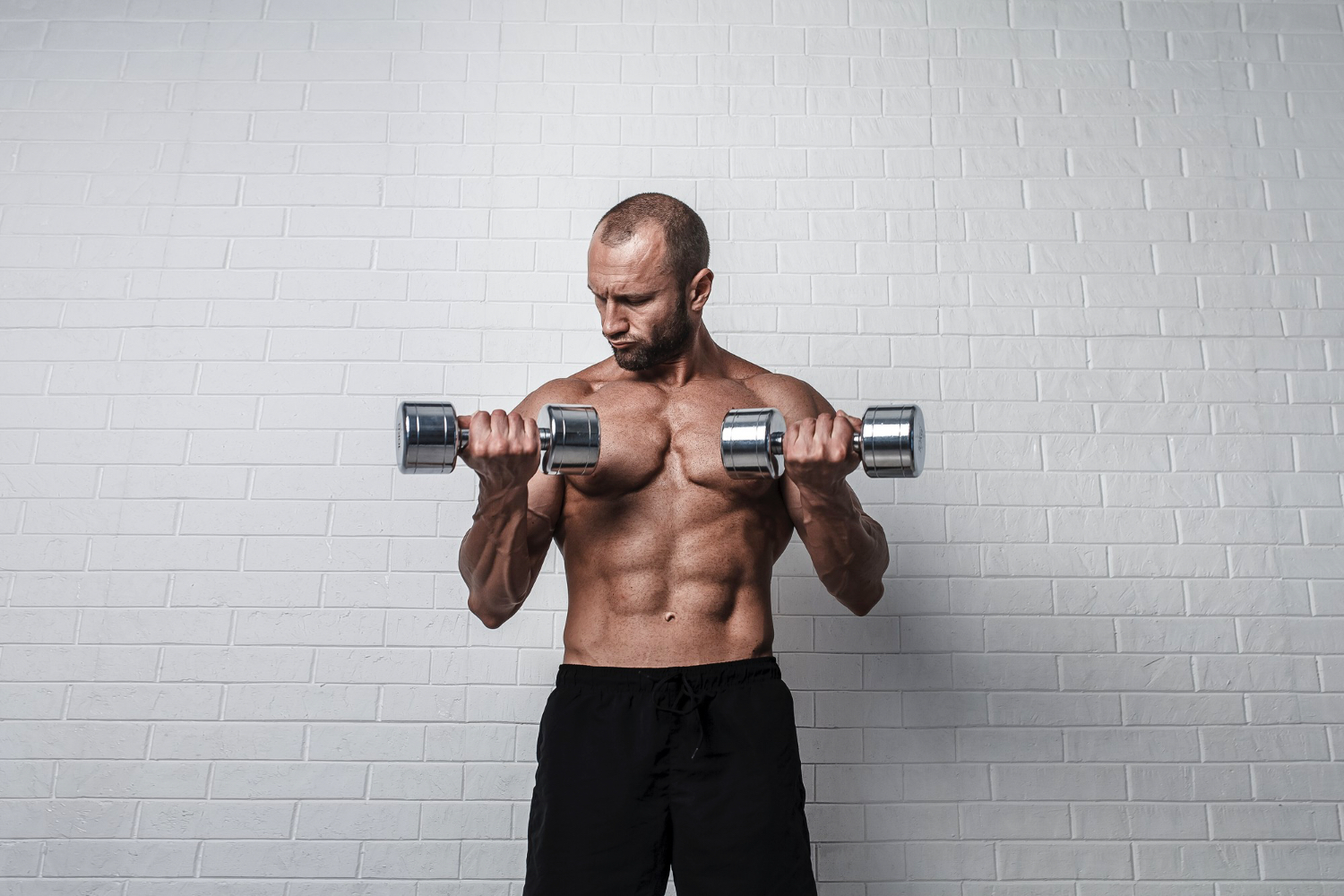
A biceps curl is a resistance exercise that primarily targets the biceps brachii, the large muscle located on the front of the upper arm.
The movement involves flexing the elbow to raise a weight towards the shoulder before lowering it under control.
Biceps curls can be performed using:
- Dumbbells
- Barbells
- EZ curl bars
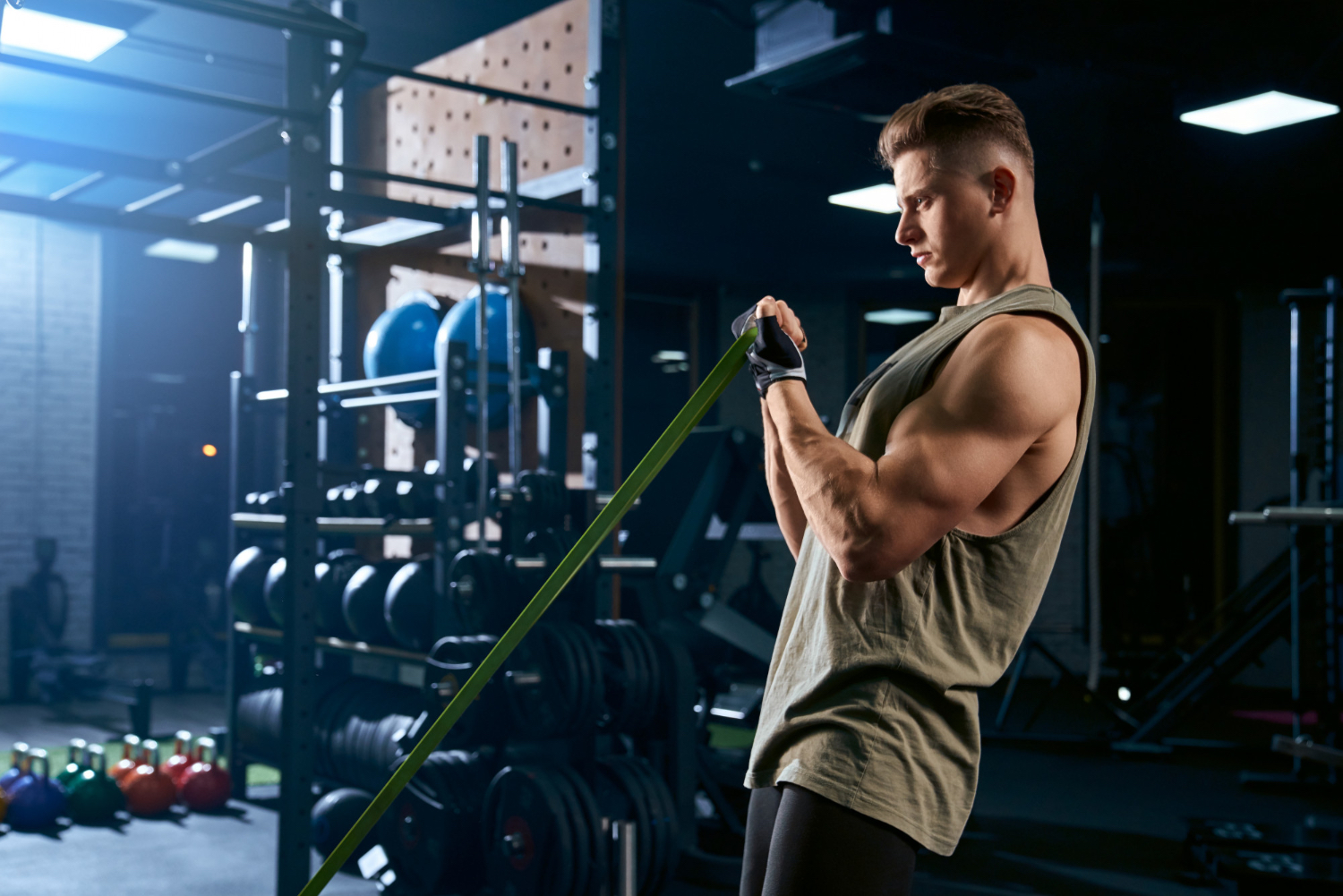
- Resistance bands
- Cable machines
- Kettlebells
Although the equipment may differ, the basic movement pattern remains the same.
Which Muscles Do Biceps Curls Work?
Despite the name, biceps curls involve more than just the biceps.
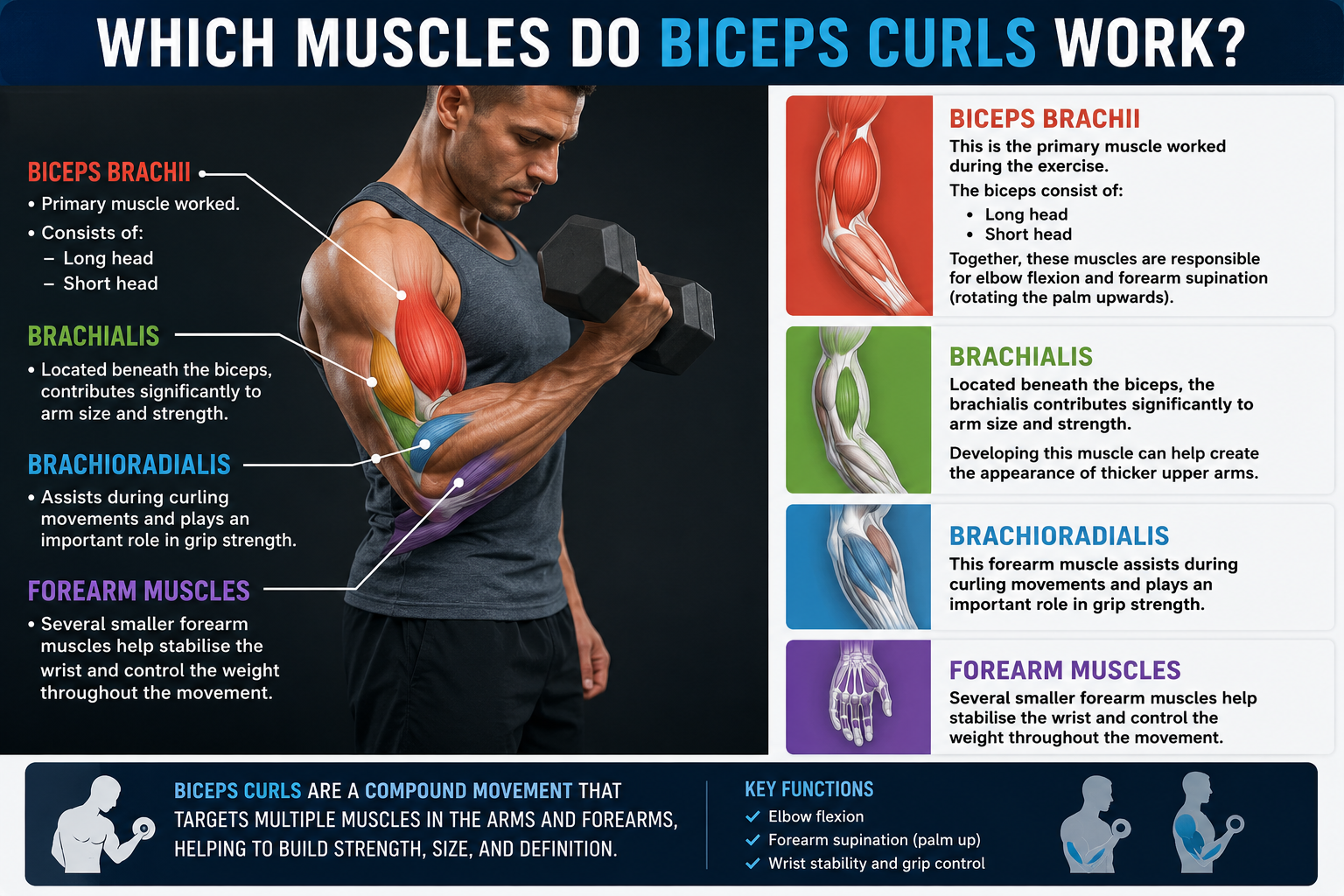
Biceps Brachii
This is the primary muscle worked during the exercise.
The biceps consist of:
- Long head
- Short head
Together, these muscles are responsible for elbow flexion and forearm supination (rotating the palm upwards).
Brachialis
Located beneath the biceps, the brachialis contributes significantly to arm size and strength.
Developing this muscle can help create the appearance of thicker upper arms.
Brachioradialis
This forearm muscle assists during curling movements and plays an important role in grip strength.
Forearm Muscles
Several smaller forearm muscles help stabilise the wrist and control the weight throughout the movement.
Benefits of Biceps Curls
Increased Arm Strength
Stronger biceps can improve performance in many pulling exercises, including:
- Pull-ups
- Chin-ups
- Rows
- Lat pulldowns
Improved Arm Development
For those looking to build larger arms, biceps curls remain one of the most effective isolation exercises available.
Better Muscle Definition
Combined with appropriate nutrition and overall body-fat reduction, well-developed biceps can improve upper-body definition.
Supports Everyday Activities
Many daily tasks involve elbow flexion, including:
- Carrying shopping bags
- Lifting boxes
- Moving furniture
- Picking up children
Stronger biceps can make these activities easier.
How to Perform a Dumbbell Biceps Curl
The dumbbell curl is one of the most common and effective variations.
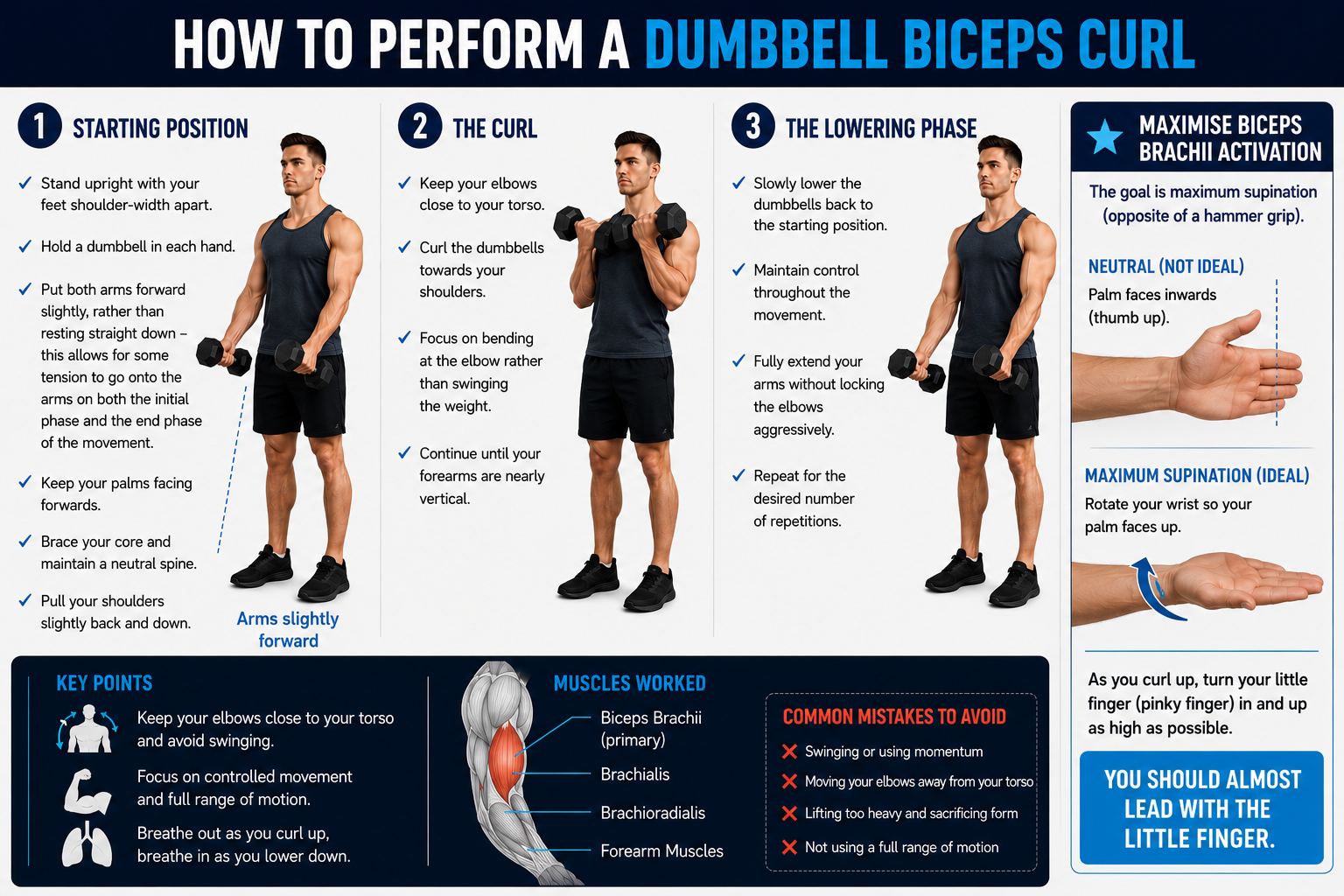
Starting Position
- Stand upright with your feet shoulder-width apart.
- Hold a dumbbell in each hand.
- Allow your arms to hang naturally at your sides.
- Keep your palms facing forwards.
- Brace your core and maintain a neutral spine.
- Pull your shoulders slightly back and down.
The Curl
- Keep your elbows close to your torso.
- Curl the dumbbells towards your shoulders.
- Focus on bending at the elbow rather than swinging the weight.
- Continue until your forearms are nearly vertical.
The Lowering Phase
- Slowly lower the dumbbells back to the starting position.
- Maintain control throughout the movement.
- Fully extend your arms without locking the elbows aggressively.
- Repeat for the desired number of repetitions.
Key Technique Tips
Keep Your Elbows Stationary
One of the most common mistakes is allowing the elbows to drift forwards.
When this happens:
- Shoulder involvement increases
- Biceps activation decreases
- Momentum takes over
Think about keeping your elbows pinned to your sides throughout the movement.
Control the Weight
Many people focus entirely on lifting the weight and neglect the lowering phase.
Research consistently shows that the eccentric (lowering) portion of an exercise contributes significantly to muscle growth.
Avoid dropping the weight quickly.
Use a Full Range of Motion
To maximise muscle recruitment:
- Lower the weight fully
- Curl through the complete range
- Squeeze the biceps at the top
Partial repetitions have their place but shouldn’t replace full-range training.
Avoid Excessive Body Swing
If your torso is rocking backwards during every repetition, the weight is probably too heavy.
Reduce the load and focus on proper technique.
Common Biceps Curl Mistakes
Using Too Much Weight
This is perhaps the most frequent error.
Signs include:
- Excessive swinging
- Leaning backwards
- Reduced range of motion
- Poor control
Choosing a lighter weight often leads to better results.
Moving the Shoulders
The movement should primarily occur at the elbow.
Excessive shoulder movement can shift tension away from the biceps.
Rushing Repetitions
Fast, uncontrolled repetitions often reduce muscle tension.
Instead:
- Lift under control
- Pause briefly at the top
- Lower slowly
Incomplete Range of Motion
Stopping short at either end of the movement limits muscle development.
Aim for a full stretch at the bottom and a strong contraction at the top.
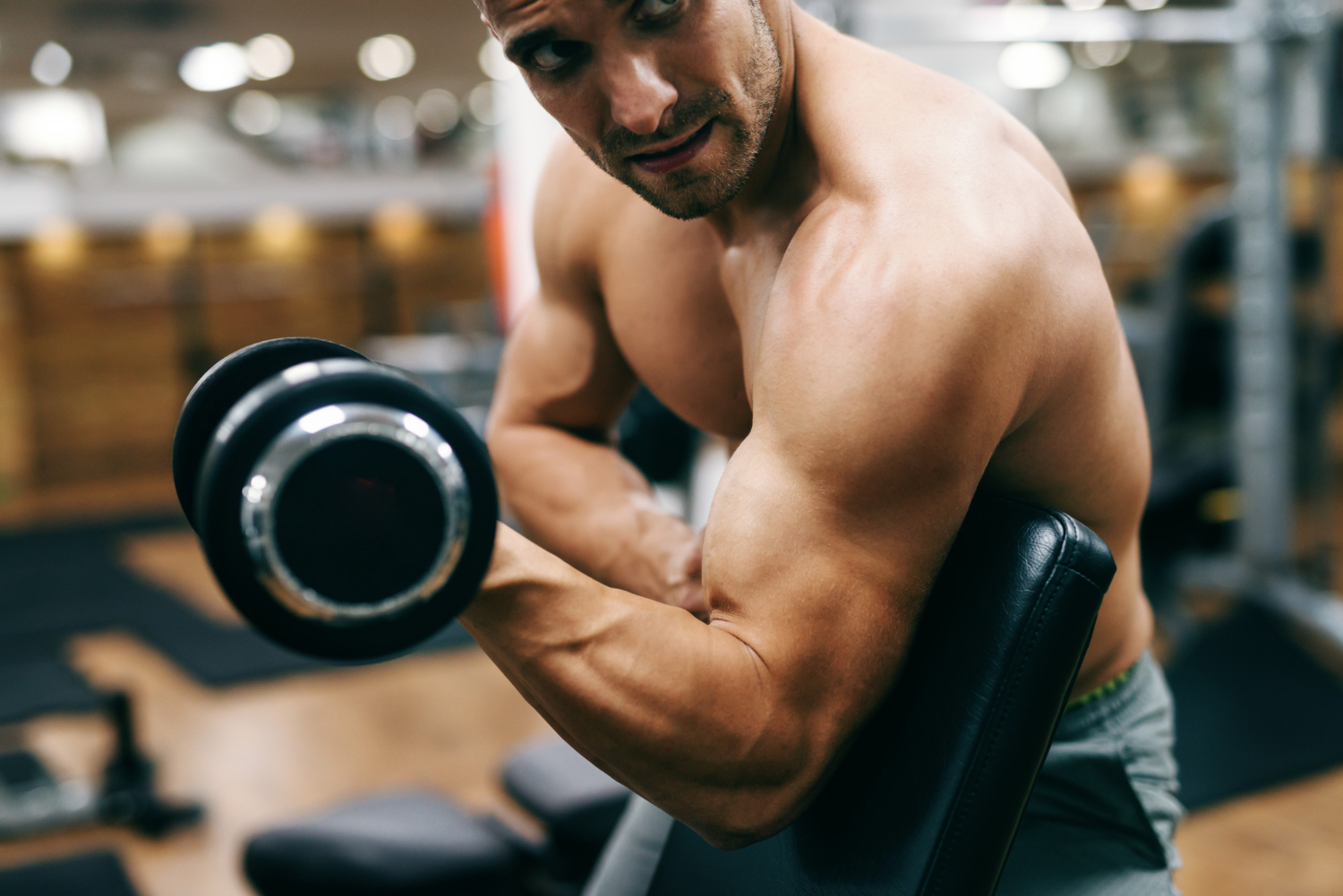
How Many Sets and Repetitions Should You Perform?
Your goal will influence the optimal rep range.
For Muscle Growth (Hypertrophy)
Generally:
- 3-4 sets
- 8-15 repetitions
This range allows sufficient volume while maintaining good technique.
For Strength
Typically:
- 3-5 sets
- 5-8 repetitions
Heavier weights may be used while still prioritising form.
For Muscular Endurance
Generally:
- 2-4 sets
- 15-20 repetitions
Lighter weights and higher repetitions are commonly used.
Popular Biceps Curl Variations
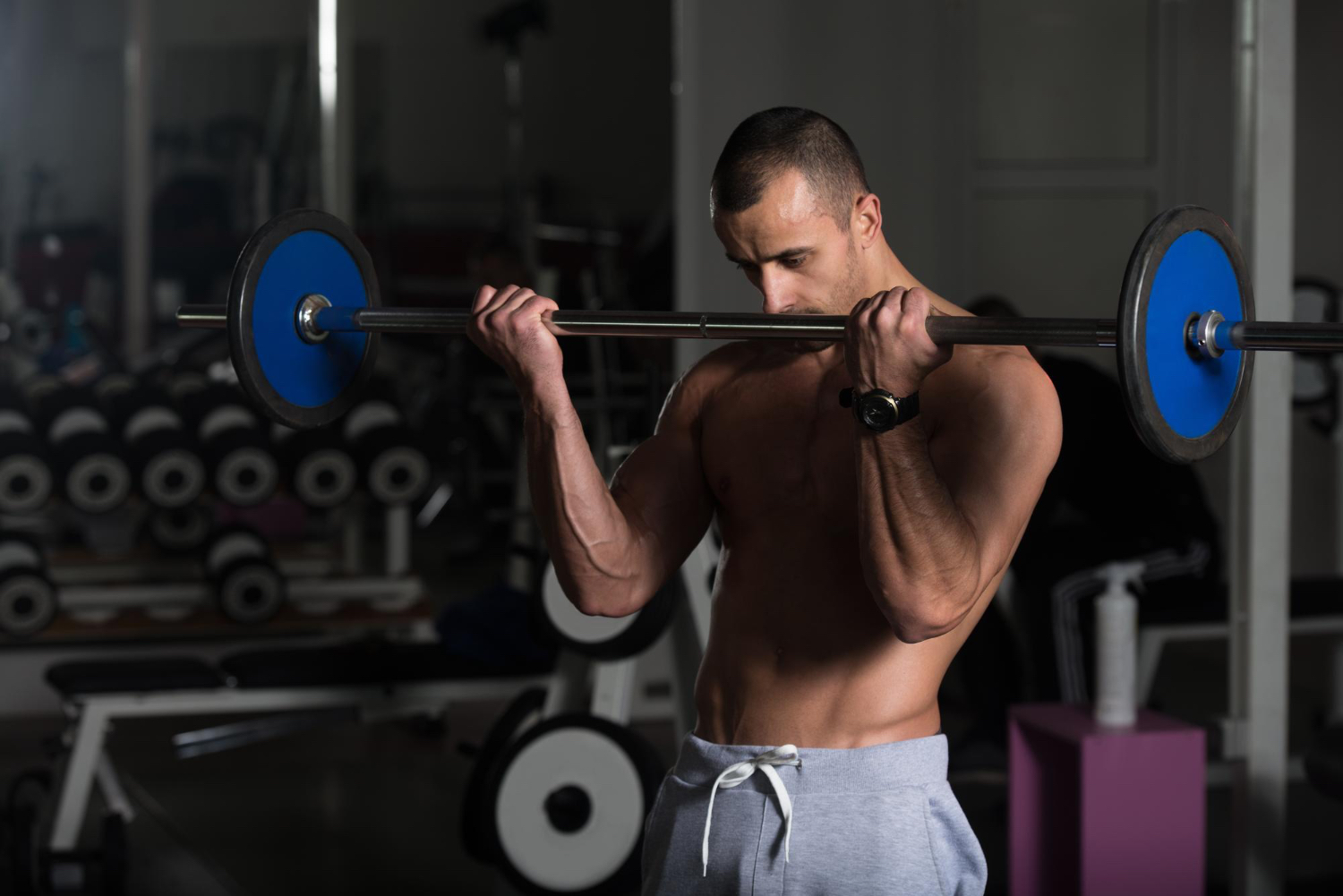
Barbell Curl
The barbell curl allows heavier loading and can be useful for building overall arm strength.
Benefits include:
- Greater loading potential
- Simple progression
- Efficient training
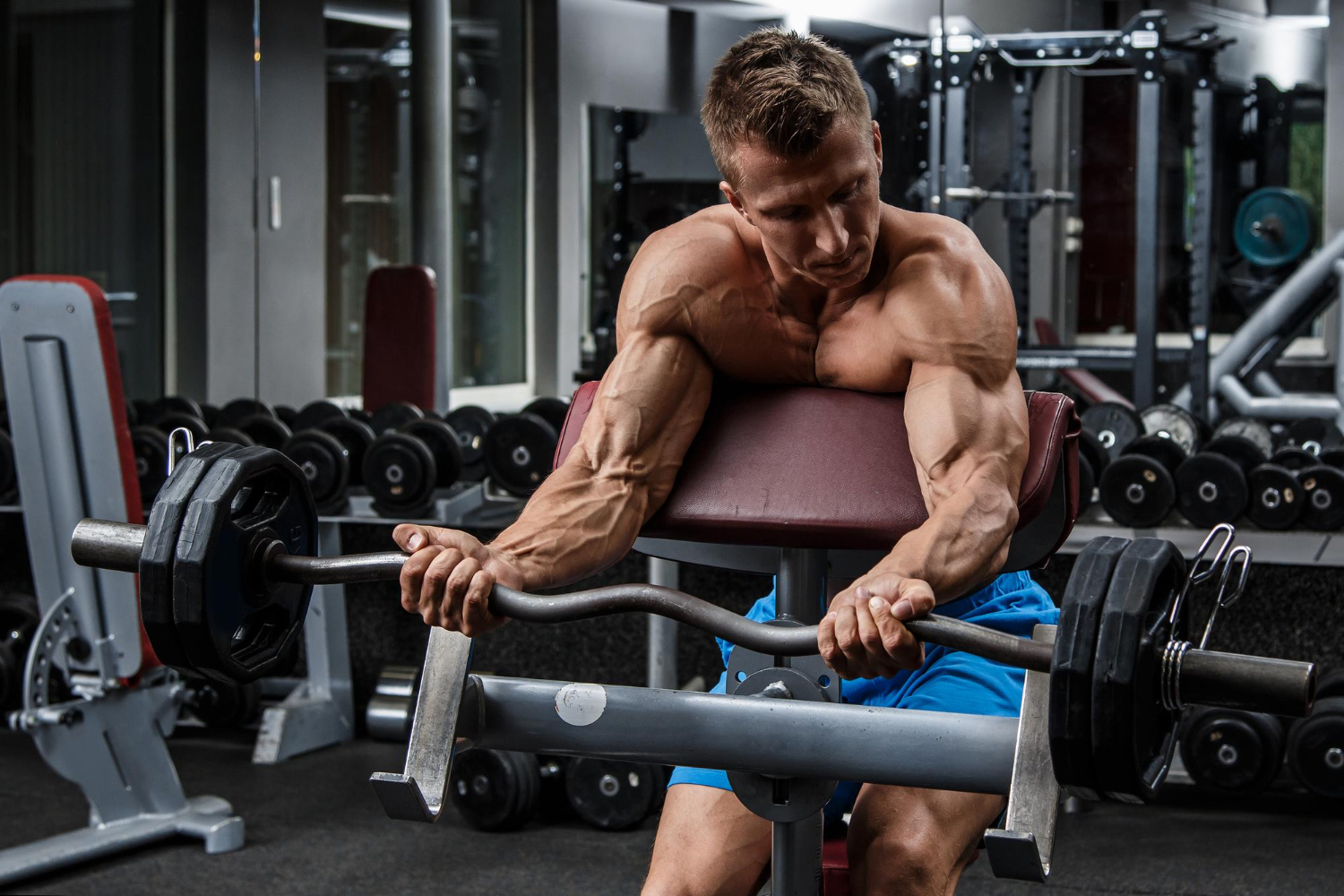
EZ Bar Curl
The angled grip can feel more comfortable on the wrists and elbows for some individuals.
Hammer Curl
Hammer curls use a neutral grip with palms facing each other.
Benefits include:
- Increased brachialis involvement
- Improved forearm development
- Enhanced grip strength
Incline Dumbbell Curl
Performed on an incline bench, this variation increases the stretch placed on the biceps.
Many lifters find it highly effective for muscle development.
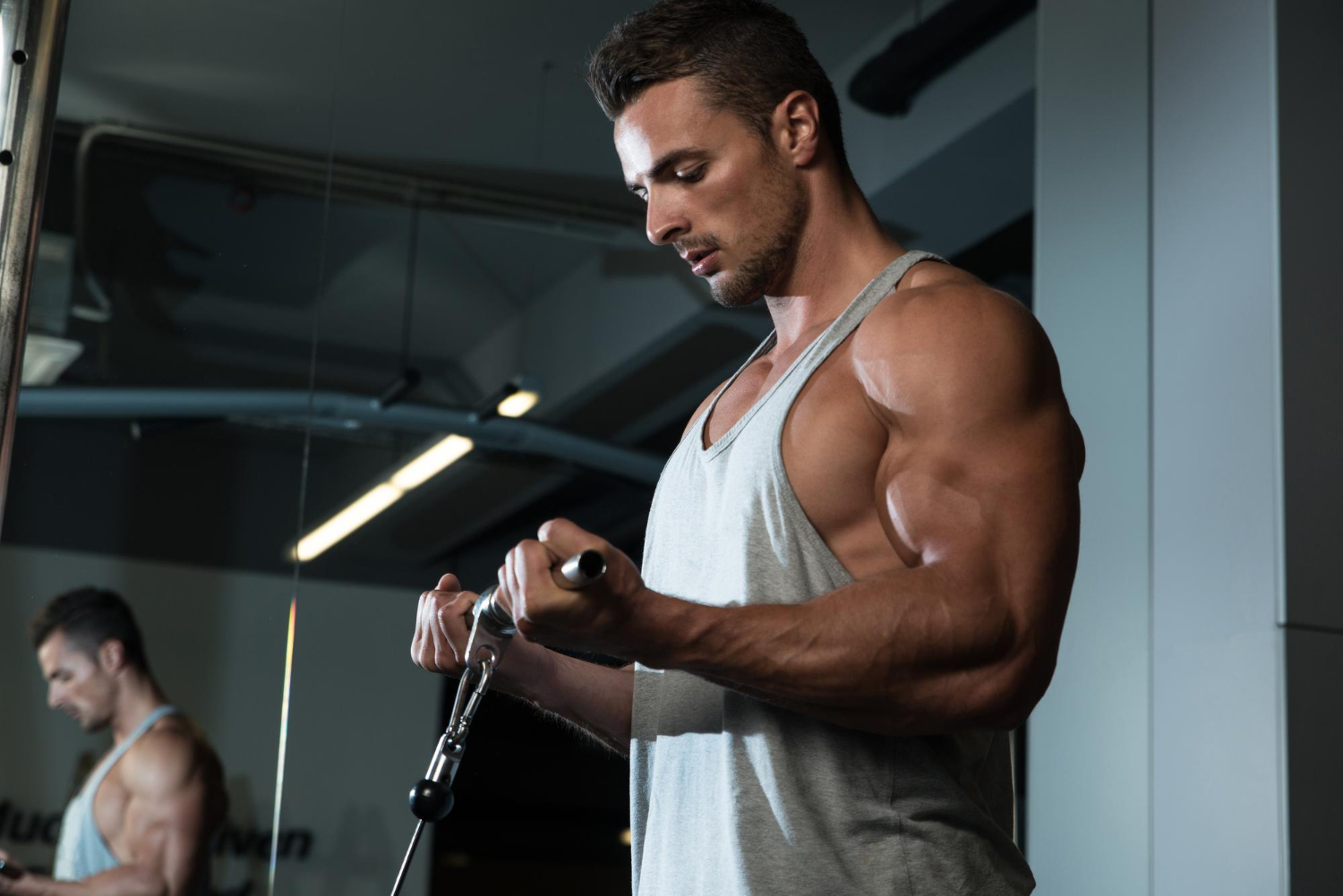
Cable Curl
Cables provide constant tension throughout the movement.
Benefits include:
- Smooth resistance
- Consistent tension
- Reduced momentum
Where Should Biceps Curls Fit Into Your Workout?
Biceps curls are typically performed after larger compound exercises.
For example:
Pull Day Workout
- Deadlifts
- Pull-Ups
- Barbell Rows
- Lat Pulldowns
- Biceps Curls
Upper Body Workout
- Bench Press
- Shoulder Press
- Rows
- Pull-Ups
- Biceps Curls
This approach ensures that major compound movements receive priority while still allowing sufficient arm training volume.
Can Beginners Perform Biceps Curls?
Absolutely.
Biceps curls are suitable for:
- Beginners
- Intermediate lifters
- Advanced trainees
For beginners, the focus should be on:
- Learning proper form
- Controlling the weight
- Using a full range of motion
- Progressing gradually
There’s no need to lift heavy weights immediately.
Consistent progression over time produces the best results.
Progressive Overload and Biceps Growth
Building bigger biceps requires more than simply repeating the same workout forever.
You must gradually increase training demands.
This principle is known as progressive overload.
Methods include:
- Increasing weight
- Performing additional repetitions
- Adding extra sets
- Improving technique
- Increasing training frequency
Small improvements performed consistently often lead to significant long-term progress.
Frequently Asked Questions
How Often Should I Train Biceps?
Most people can train biceps effectively:
- 1-3 times per week
The optimal frequency depends on overall training volume and recovery.
Are Dumbbells Better Than Barbells?
Neither is inherently superior.
Both can be effective.
Dumbbells provide greater freedom of movement, while barbells often allow heavier loading.
Can Biceps Curls Build Bigger Arms Alone?
Biceps curls contribute significantly to arm development, but overall arm size also depends on:
- Triceps development
- Body-fat levels
- Nutrition
- Training consistency
Should I Train to Failure?
Training close to muscular failure can be effective for hypertrophy.
However, not every set needs to be taken to complete failure.
Maintaining quality technique should remain the priority.
Mastering the Biceps Curl
The biceps curl may be one of the simplest exercises in the gym, but that doesn’t mean it should be overlooked. When performed correctly, it remains one of the most effective movements for building arm strength and muscle development.
Rather than focusing solely on lifting heavier weights, prioritise proper technique, controlled repetitions, and consistent progression. Small improvements in form often produce better long-term results than chasing numbers at the expense of quality movement.
Whether you’re training for aesthetics, strength, or overall fitness, mastering the biceps curl is a valuable addition to almost any resistance training programme.
References
- Schoenfeld, B.J. (2010). The mechanisms of muscle hypertrophy and their application to resistance training. Journal of Strength and Conditioning Research, 24(10), 2857-2872.
- Gentil, P., Soares, S., & Bottaro, M. (2015). Single versus multi-joint resistance exercises: Effects on muscle strength and hypertrophy. Asian Journal of Sports Medicine, 6(2).
- American College of Sports Medicine. (2021). Resistance Training Guidelines for Healthy Adults.
- Grgic, J., Schoenfeld, B.J., Orazem, J., & Sabol, F. (2022). Effects of resistance training performed to repetition failure on muscular strength and hypertrophy. Scandinavian Journal of Medicine & Science in Sports.