
Start Your Weight-Loss Journey Today!
Losing weight sounds simple on paper.
Eat less, move more, lose body fat.
Yet if it were truly that straightforward, the weight-loss industry wouldn’t be worth billions of pounds every year, and millions of people wouldn’t find themselves losing weight, regaining it, and starting over again.
The truth is that weight loss isn’t complicated, but it can be confusing. Every year there seems to be a new diet promising faster results than the last. One month carbohydrates are the enemy. The next month it’s fat. Then comes intermittent fasting, detox teas, juice cleanses, meal replacement shakes, and countless supplements claiming to melt away body fat.
Most of these approaches focus on tactics rather than fundamentals.
The people who successfully lose weight and keep it off for years usually understand a few key principles. They understand how calories work. They know how to build meals that keep them full. They have realistic expectations about timescales. Most importantly, they’ve created habits they can maintain long after the initial motivation fades.
This guide is designed to provide exactly that foundation.
Rather than focusing on quick fixes, we’ll build a weight-loss plan step-by-step. Each section builds upon the previous one, helping you understand not only what to do, but why you’re doing it.
By the end, you’ll have a clear framework that can be adapted to your own body, lifestyle, and goals.

In This Guide
- Understanding How Weight Loss Works
- Calorie Deficits Explained
- BMI and Body Fat Percentages
- Metabolism and Yo-Yo Dieting
- Building a Fat-Loss Diet
- Protein, Carbohydrates and Fats
- Weight-Loss Supplements
- Sample Meal Plans
- Weight Training for Fat Loss
- Walking and HIIT
- Body Recomposition
- Weekly Workout Plan
- Progress Tracking
- Long-Term Weight Maintenance
Understanding How Weight Loss Works
Step 1: Understand How Weight Loss Actually Works
Before discussing meal plans, supplements, workouts, or body fat percentages, it’s important to understand the single most important concept in fat loss.
Energy Balance
Your body requires energy to function.
This energy comes from food and drinks and is measured in calories.
Every day your body burns calories through:
- Breathing
- Digestion
- Walking
- Exercise
- Maintaining body temperature
- Organ function
- General movement
The relationship between calories consumed and calories burned is known as energy balance.
There are only three possible scenarios.
Calorie Maintenance
When calories consumed equal calories burned:
- Weight remains relatively stable
- Body composition may still change slightly
- Energy levels are generally maintained
Example:
- Calories eaten: 2,500
- Calories burned: 2,500
Result:
- Maintenance
Calorie Surplus
When calories consumed exceed calories burned:
- Weight increases over time
- Body fat may increase
- Muscle gain becomes possible when combined with resistance training
Example:
- Calories eaten: 3,000
- Calories burned: 2,500
Result:
- Surplus of 500 calories
Calorie Deficit
When calories consumed are lower than calories burned:
- The body must use stored energy
- Fat loss becomes possible
Example:
- Calories eaten: 2,000
- Calories burned: 2,500
Result:
- Deficit of 500 calories

Why a Calorie Deficit Matters
This is the foundation of every successful fat-loss diet.
Regardless of whether you’re following:
- Mediterranean Diet
- Low-Carb Diet
- Keto Diet
- Intermittent Fasting
- Flexible Dieting
Fat loss ultimately occurs because a calorie deficit is being created.
Different diets simply provide different methods of achieving that deficit.
Step 2: Understand Your Body Weight
Many people begin a diet without understanding their starting point.
This makes progress difficult to measure.
There are two useful metrics to understand:
Body Mass Index (BMI)
BMI is calculated using:
Weight (kg) ÷ Height² (m)
General categories:
| BMI | Classification |
|---|---|
| Under 18.5 | Underweight |
| 18.5-24.9 | Healthy Weight |
| 25-29.9 | Overweight |
| 30+ | Obese |
BMI provides a useful starting point.
However, it has limitations.
For example:
- Muscular individuals often score higher
- It doesn’t distinguish muscle from fat
- It doesn’t show body-fat distribution
Because of this, BMI should be used alongside other measurements.
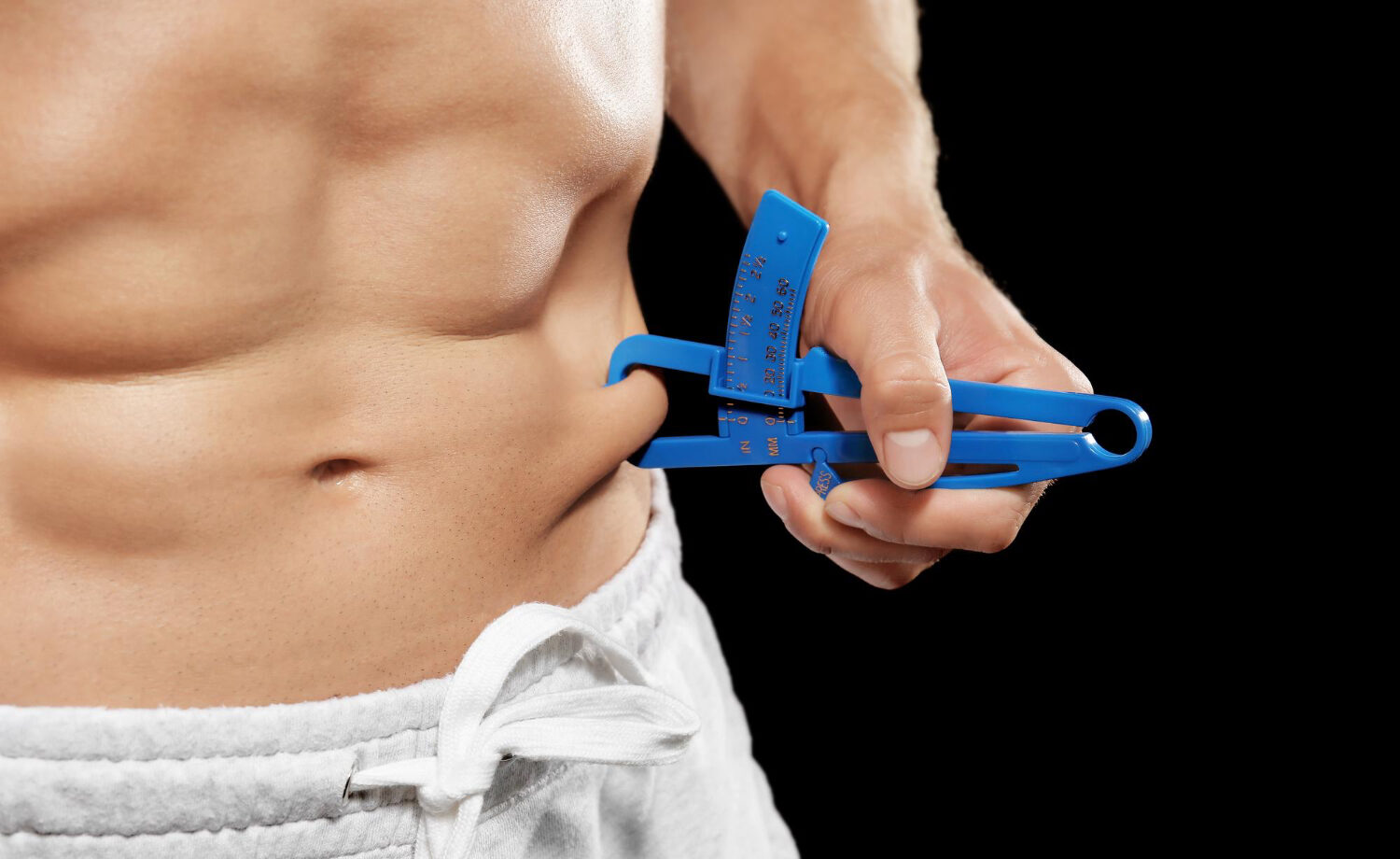
Body Fat Percentage
Body-fat percentage is often a better indicator of physique and health.
General ranges for men:
| Body Fat % | Description |
| 5-9% | Very Lean |
| 10-14% | Athletic |
| 15-19% | Fit |
| 20-24% | Average |
| 25%+ | Overweight |
General ranges for women:
| Body Fat % | Description |
| 10-13% | Essential Fat |
| 14-20% | Athletic |
| 21-24% | Fit |
| 25-31% | Average |
| 32%+ | Overweight |
Why Body Fat Matters More Than Weight
Consider two people who both weigh 85kg.
Person A:
- 15% body fat
- Significant muscle mass
Person B:
- 30% body fat
- Less muscle mass
Despite weighing the same, their appearance and health profiles differ significantly.
This is why focusing solely on scale weight can sometimes be misleading.
Step 3: Calculate Your Maintenance Calories
Before creating a calorie deficit, you first need an estimate of maintenance calories.
Maintenance calories are the number of calories required to maintain your current weight.
Simple Maintenance Estimate
Men:
Bodyweight (lbs) × 14-16
Women:
Bodyweight (lbs) × 12-14
Example:
180lb male
180 × 15
= Approximately 2,700 calories
This is only an estimate.
The most accurate method is:
- Track calories for 2-3 weeks
- Track body weight
- Observe trends
If weight remains stable, you’re likely eating at maintenance.
Step 4: Create a Sensible Calorie Deficit
This is where many people make mistakes.
A common belief is:
“Bigger deficit equals faster results.”
Unfortunately, bigger isn’t always better.
Moderate Deficit
Recommended:
300-500 calorie deficit per day
Benefits:
- Sustainable
- Easier recovery
- Better workout performance
- Reduced hunger
Aggressive Deficit
700-1,000 calorie deficit
Potential drawbacks:
- Increased hunger
- Muscle loss risk
- Fatigue
- Reduced adherence
Example
Maintenance:
2,500 calories
Fat-loss target:
2,000-2,200 calories
This would typically produce gradual and sustainable fat loss.
Setting Realistic Fat-Loss Goals
Step 5: Understand Metabolism and Yo-Yo Dieting
One of the biggest misconceptions in weight loss is the idea of a “broken metabolism.”
Many people believe:
“My metabolism is damaged.”
In reality, true metabolic damage is extremely rare.
What Actually Happens During Dieting?
When calories decrease for long periods:
- Body weight decreases
- Activity levels often decrease
- Energy expenditure decreases
- Hunger hormones increase
This is known as metabolic adaptation.
The body becomes more efficient.
However, this isn’t permanent.
Why Yo-Yo Dieting Happens
A common cycle looks like this:
Week 1:
- Motivation high
- Extreme calorie restriction
Week 4:
- Hunger increases
- Energy drops
Week 8:
- Diet becomes difficult
Week 10:
- Return to old habits
Weight regained
Cycle repeats.
How to Avoid Yo-Yo Dieting
Focus on:
- Moderate deficits
- High protein intake
- Sustainable habits
- Realistic expectations
- Consistency rather than perfection
Step 6: Set a Realistic Weight-Loss Timeframe
Most people dramatically underestimate how long meaningful fat loss takes.
Social media often creates unrealistic expectations.
Healthy Rate of Fat Loss
Most research supports:
0.5-1% of bodyweight per week
Example:
90kg individual
Target loss:
0.45-0.9kg per week
What This Means in Practice
Losing 10kg may require:
3-6 months
Losing 20kg may require:
6-12 months
This may seem slow.
However, sustainable fat loss almost always beats rapid weight loss followed by regain.
Step 7: Define Your Goal
Before moving on to food selection and meal planning, decide exactly what you’re trying to achieve.
Common goals include:
Goal 1: Fat Loss
Priority:
- Calorie deficit
- Preserve muscle
- Reduce body fat
Goal 2: Body Recomposition
Often called “maingaining.”
Goal:
- Build muscle
- Lose fat simultaneously
Most achievable for:
- Beginners
- Returning trainees
- Overweight individuals
Goal 3: Muscle Gain
Priority:
- Calorie surplus
- Progressive resistance training
Many people initially think they need to lose weight when what they really need is to improve body composition.
Understanding this distinction can save months of frustration.
Step 8: Body Recomposition Explained
Body recomposition refers to improving body composition without dramatic changes in scale weight.
For example:
Starting:
- 80kg
- 25% body fat
After six months:
- 80kg
- 18% body fat
Same weight.
Very different physique.
How Is This Possible?
By:
- Losing fat
- Building muscle
At the same time.
This is why weight alone isn’t always the best measure of progress.
Photos, measurements, and body-fat estimates can often tell a more complete story.
What Comes Next?
Now that we’ve covered:
- Calories
- Deficits
- Maintenance
- BMI
- Body fat
- Metabolism
- Weight-loss timelines
- Recomposition
We can begin building the actual nutrition plan.
Later, we’ll cover:
- Protein, carbohydrates and fats
- Nutrient-dense foods
- Vitamins and supplements
- Food comparison charts
- Best foods for fat loss
- Grocery shopping strategy
- Example meal plans
- Daily calorie targets based on body size
These are the practical tools that transform the theory into a real-world weight-loss plan.
Building Your Weight-Loss Diet
Step 9: Understand the Three Macronutrients
Now that you understand calorie deficits and energy balance, it’s time to look at where those calories should come from.
Every food you eat is made up of one or more macronutrients:
- Protein
- Carbohydrates
- Fat
Each plays an important role in health, performance, and fat loss.
Many diets try to demonise one of these nutrients. In reality, all three can be part of a successful weight-loss plan.
The key is understanding how much of each you need.
Protein
Protein is the most important macronutrient when dieting.
It helps:
- Preserve muscle mass
- Increase fullness
- Support recovery
- Aid body recomposition
- Reduce muscle loss during a calorie deficit
Protein contains:
- 4 calories per gram
Research consistently shows that higher protein diets tend to produce better body-composition outcomes during weight loss.
Recommended Protein Intake
For most people aiming to lose fat:
1.6-2.2g per kilogram of body weight
Examples:
| Body Weight | Daily Protein |
|---|---|
| 60kg | 96-132g |
| 70kg | 112-154g |
| 80kg | 128-176g |
| 90kg | 144-198g |
| 100kg | 160-220g |
If you struggle to hit these numbers through food alone, protein powder can be a useful supplement.
Carbohydrates
Carbohydrates often receive unfair criticism.
In reality, carbs are your body’s preferred energy source.
They help:
- Fuel training
- Support recovery
- Improve exercise performance
- Maintain energy levels
Carbohydrates contain:
- 4 calories per gram
Healthy carbohydrate sources include:
- Oats
- Rice
- Potatoes
- Sweet potatoes
- Wholegrain bread
- Fruit
- Vegetables
- Pasta
Carbohydrates don’t make you fat.
Eating more calories than you burn makes you gain body fat.
Fat
Dietary fat is essential.
It supports:
- Hormone production
- Brain function
- Nutrient absorption
- Overall health
Fat contains:
- 9 calories per gram
Good sources include:
- Olive oil
- Nuts
- Seeds
- Avocados
- Oily fish
- Eggs
Because fat is calorie-dense, portion control becomes important during a weight-loss phase.
Step 10: Focus on Nutrient-Dense Foods
A calorie deficit is essential for fat loss.
However, not all calories affect hunger and nutrition equally.
This is where nutrient density becomes important.
What Are Nutrient-Dense Foods?
Nutrient-dense foods provide:
- Vitamins
- Minerals
- Fibre
- Protein
While containing relatively moderate calorie levels.
Examples include:
- Lean meats
- Fish
- Eggs
- Fruit
- Vegetables
- Potatoes
- Greek yoghurt
- Legumes
What Are Calorie-Dense Foods?
These foods contain large amounts of calories relative to their size.
Examples include:
- Chocolate
- Crisps
- Pastries
- Fast food
- Sugary drinks
- Cakes
These foods can still fit into a weight-loss plan.
The issue is that they often provide fewer nutrients and less fullness per calorie.
Step 11: Build Meals Around Protein
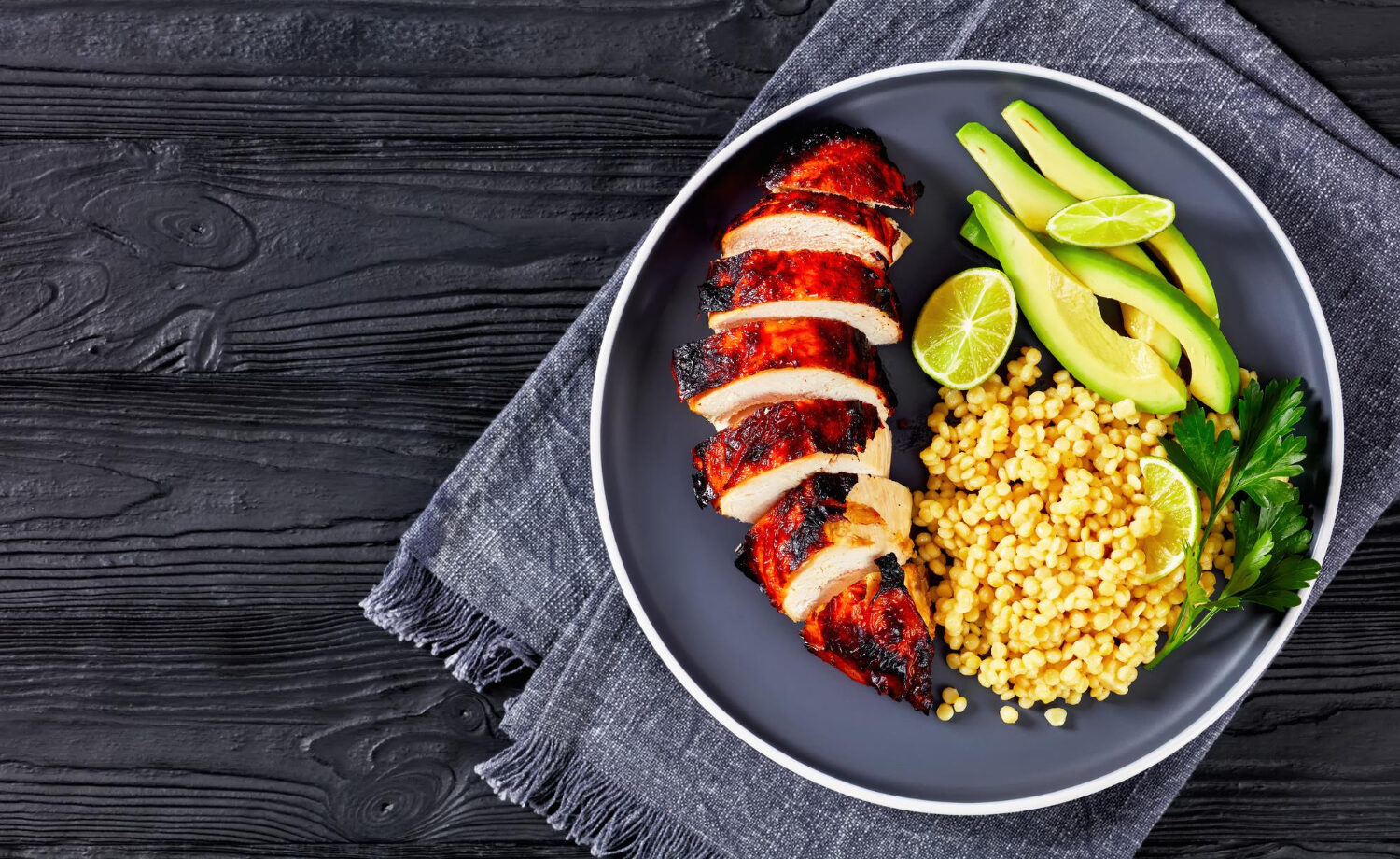
One of the simplest ways to improve your diet is to build every meal around a protein source.
Instead of asking:
“What should I eat?”
Ask:
“What is my protein source?”
Then build the meal around it.
Example:
Protein:
- Chicken breast
Add:
- Potatoes
- Vegetables
- Salad
You now have a balanced meal.
This simple strategy often improves food quality without requiring complicated meal plans.
Step 12: The Best Foods for Weight Loss
No single food causes fat loss.
However, some foods make maintaining a calorie deficit significantly easier.
Lean Protein Sources
| Food | Portion | Calories | Protein |
| Chicken Breast | 100g | 165 | 31g |
| Turkey Breast | 100g | 135 | 30g |
| Cod | 100g | 82 | 18g |
| Tuna | 100g | 132 | 29g |
| Eggs | 2 Large | 140 | 12g |
| Greek Yoghurt | 200g | 120 | 20g |
Carbohydrate Sources
| Food | Portion | Calories | Carbs |
| Oats | 50g | 190 | 32g |
| Rice | 100g Cooked | 130 | 28g |
| Potato | 200g | 154 | 35g |
| Sweet Potato | 200g | 180 | 41g |
| Banana | Medium | 105 | 27g |
Healthy Fat Sources
| Food | Portion | Calories | Fat |
| Olive Oil | 1 Tbsp | 120 | 14g |
| Almonds | 30g | 174 | 15g |
| Avocado | Half | 120 | 11g |
| Peanut Butter | 1 Tbsp | 95 | 8g |
Vegetables
Vegetables should form a major part of most fat-loss diets.
Benefits include:
- High volume
- Low calories
- High fibre
- Rich in micronutrients
Examples:
- Broccoli
- Spinach
- Carrots
- Courgettes
- Green beans
- Peppers
- Cauliflower
Step 13: Understand Fibre and Hunger
Many people focus entirely on calories.
Few focus on hunger.
The most effective weight-loss plan is one you can stick to.
Fibre helps because it:
- Increases fullness
- Slows digestion
- Supports gut health
Good sources include:
- Vegetables
- Fruit
- Beans
- Lentils
- Oats
- Wholegrains
Aim for:
25-35g of fibre daily.
Step 14: Supplements for Weight Loss
The supplement industry is full of products promising rapid fat loss.
Most provide very little benefit.
The fundamentals matter far more.
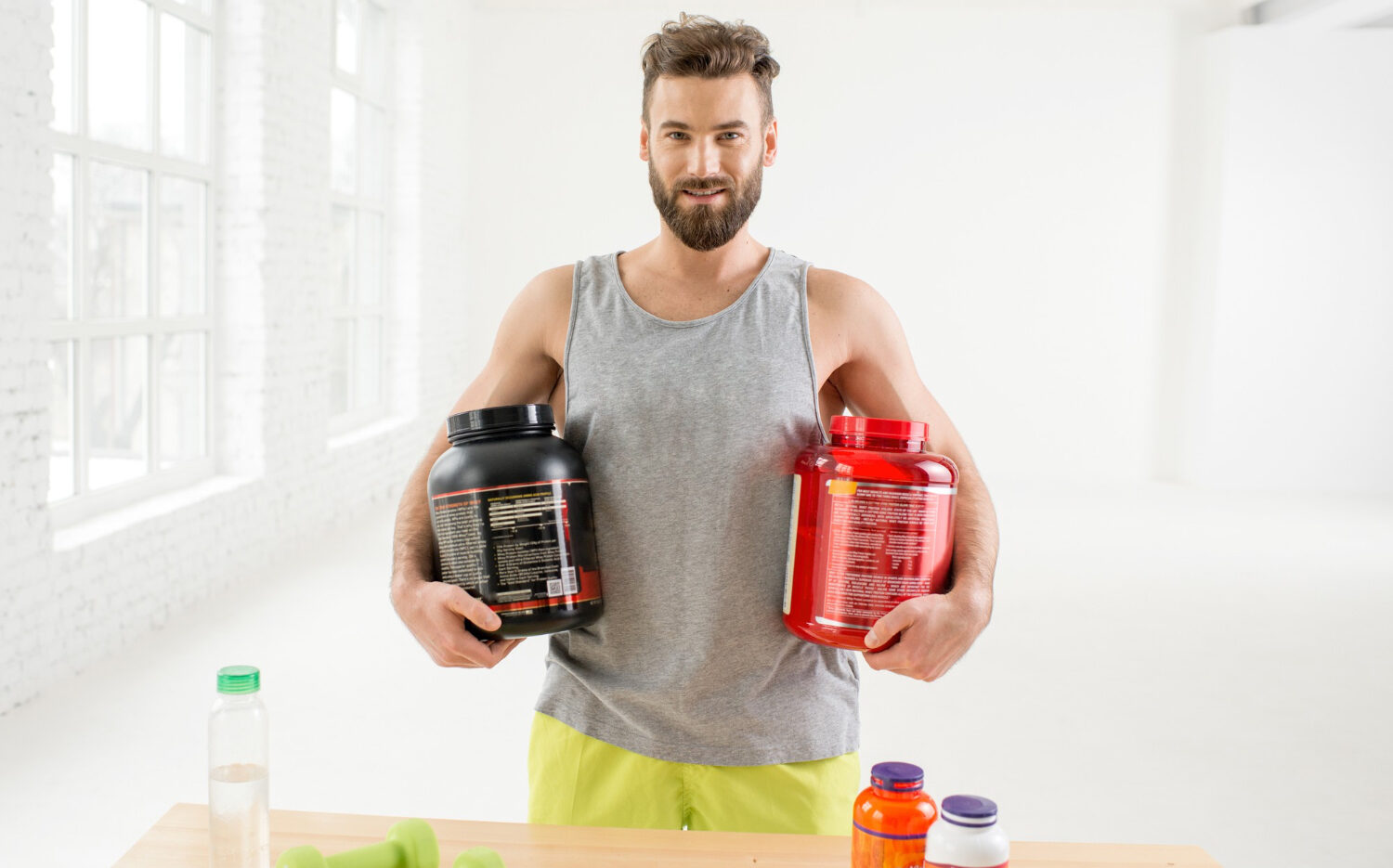
Protein Powder
One of the most useful supplements available.
Benefits:
- Convenient
- Helps reach protein targets
- Supports muscle retention
Protein powder isn’t magic.
It’s simply a convenient food source.
Multivitamin
A quality multivitamin may help fill nutritional gaps.
Particularly useful when:
- Calories are low
- Food variety is limited
Vitamin D
Particularly relevant in the UK.
Many people have low Vitamin D levels, especially during winter months.
Omega-3 Fish Oil
May support:
- General health
- Cardiovascular function
- Inflammation management
Creatine
Although often associated with muscle gain, creatine can also be useful during fat-loss phases because it helps preserve training performance.
Recommended:
3-5g daily.
Fat Burners
Most fat burners:
- Provide minimal effects
- Increase heart rate
- Increase caffeine intake
They should never replace a proper diet.
Step 15: Calculate Your Daily Calories
Below are general starting points.
Small Female
Weight:
55-65kg
Fat-loss calories:
1,500-1,800
Average Female
Weight:
65-80kg
Fat-loss calories:
1,700-2,000
Small Male
Weight:
65-75kg
Fat-loss calories:
1,900-2,200
Average Male
Weight:
75-95kg
Fat-loss calories:
2,000-2,500
Larger Male
Weight:
95kg+
Fat-loss calories:
2,400-3,000
These are starting estimates only.
Progress should always determine future adjustments.
Step 16: Example Fat-Loss Meal Plans
Example Day 1 (Approx. 2,000 Calories)
Breakfast
- 50g oats
- 200g Greek yoghurt
- Mixed berries
Calories: 400
Lunch
- 150g chicken breast
- 250g potatoes
- Vegetables
Calories: 550
Snack
- Protein shake
- Apple
Calories: 220
Dinner
- 180g salmon
- Rice
- Mixed vegetables
Calories: 650
Evening Snack
- Cottage cheese
Calories: 180
Total:
Approximately 2,000 calories
Example Day 2 (Approx. 2,200 Calories)
Breakfast
- 3 eggs
- Wholegrain toast
- Fruit
Lunch
- Turkey wrap
- Side salad
Snack
- Greek yoghurt
Dinner
- Lean beef mince
- Rice
- Vegetables
Evening Snack
- Protein shake
Example Day 3 (Approx. 1,800 Calories)
Breakfast
- Protein smoothie
Lunch
- Tuna jacket potato
Snack
- Fruit
Dinner
- Chicken stir fry
Evening Snack
- Greek yoghurt
Step 17: Grocery Shopping Checklist
Protein
□ Chicken
□ Turkey
□ Lean beef
□ Fish
□ Eggs
□ Greek yoghurt
□ Cottage cheese
Carbohydrates
□ Oats
□ Rice
□ Potatoes
□ Sweet potatoes
□ Wholegrain bread
□ Fruit
Fats
□ Olive oil
□ Nuts
□ Avocados
Vegetables
□ Broccoli
□ Spinach
□ Peppers
□ Carrots
□ Green beans
Step 18: Build Your Own Daily Meal Plan
Use this template to create a personalised day.
| Meal | Food | Calories | Protein |
| Breakfast | | | |
| Snack | | | |
| Lunch | | | |
| Snack | | | |
| Dinner | | | |
| Evening Snack | | | |
| Daily Total | | | |
Step 19: Weekly Meal Planning Template
| Day | Breakfast | Lunch | Dinner | Snacks |
| Monday | | | | |
| Tuesday | | | | |
| Wednesday | | | | |
| Thursday | | | | |
| Friday | | | | |
| Saturday | | | | |
| Sunday | | | | |
What Comes Next?
At this stage you now understand:
- Calories
- Deficits
- Protein
- Carbohydrates
- Fats
- Nutrient density
- Supplements
- Meal planning
In the next part we’ll bring everything together by covering:
- Why exercise supports weight loss but doesn’t drive it
- Weight training for fat loss
- HIIT training
- Walking and daily activity
- Body recomposition
- Weekly workout plans
- Progress tracking systems
- Customisable workout calendars
- Long-term maintenance strategies
Exercise and Fat Loss
Step 20: Understand Why Exercise Supports Weight Loss (But Doesn’t Drive It)
One of the biggest misconceptions in fitness is the belief that exercise is the primary driver of weight loss.
While exercise is incredibly beneficial for health, fitness, muscle retention, and long-term weight management, diet is typically responsible for the majority of fat-loss success.
To understand why, consider this example:
A standard chocolate bar may contain:
- 250 calories
To burn 250 calories, an average person may need:
- 30-45 minutes of jogging
It’s usually far easier to avoid consuming excess calories than it is to burn them through exercise.
This doesn’t mean exercise isn’t important.
It simply means:
Diet creates the calorie deficit. Exercise helps support it.
The most successful weight-loss plans combine both.

Step 21: Why Weight Training Should Be Your Foundation
Many people begin a weight-loss journey by immediately focusing on cardio.
While cardio has benefits, resistance training should often be prioritised.
Benefits of Weight Training During Weight Loss
Weight training helps:
- Preserve muscle mass
- Improve body composition
- Increase strength
- Improve bone health
- Enhance physical appearance
- Support long-term weight maintenance
Without resistance training, some of the weight lost during dieting may come from muscle tissue.
This can result in:
- Reduced strength
- Lower metabolic requirements
- A less athletic appearance
Why Muscle Matters
Muscle tissue is metabolically active.
The more lean mass you maintain, the easier it becomes to maintain your results.
This is why experienced coaches often focus on “fat loss” rather than simply “weight loss.”
The goal is to lose fat while preserving muscle.
Step 22: The Best Weight-Loss Exercises
There is no single “best” fat-loss exercise.
The best exercise is one you enjoy enough to perform consistently.
However, certain movements provide excellent returns for the time invested.
Squats
Squats recruit:
- Quadriceps
- Hamstrings
- Glutes
- Core
Because they use large muscle groups, they can contribute significantly to overall training volume.
Deadlifts
Deadlifts train:
- Posterior chain
- Core
- Back
- Legs
They are one of the most demanding full-body exercises available.
Lunges
Benefits:
- Leg strength
- Balance
- Stability
- Calorie expenditure
Push-Ups
A simple bodyweight movement that trains:
- Chest
- Shoulders
- Triceps
- Core
Rows
Rows help develop:
- Back muscles
- Posture
- Upper-body strength
Overhead Press
Excellent for:
- Shoulders
- Triceps
- Upper-body stability

Step 23: Cardio for Weight Loss
Cardiovascular exercise can increase daily energy expenditure.
However, not all cardio is equal.
The most important factor is adherence.
Walking
Walking is often underestimated.
Benefits include:
- Low impact
- Easy recovery
- Minimal injury risk
- Suitable for all fitness levels
Many people achieve excellent fat-loss results simply by increasing daily step counts.
Recommended target:
7,000-12,000 steps daily
Cycling
Useful for:
- Cardiovascular fitness
- Joint-friendly exercise
- Additional calorie expenditure
Swimming
Benefits:
- Full-body workout
- Low impact
- Suitable for heavier individuals
Running
Can be effective but is not essential.
Many people lose significant amounts of fat without ever running.

Step 24: What Is HIIT?
HIIT stands for High-Intensity Interval Training.
This involves alternating:
- High-intensity efforts
- Recovery periods
Example:
- 20 seconds sprint
- 60 seconds walk
- Repeat 8-10 times
Benefits of HIIT
- Time efficient
- Improves fitness
- Increases calorie expenditure
Limitations of HIIT
Many people assume more HIIT equals faster fat loss.
However:
- Recovery demands are higher
- Injury risk increases
- Appetite may increase
For most beginners, walking and resistance training often provide better long-term results.
Step 25: Weekly Beginner Workout Programme
Monday
Full Body Strength
- Squats
- Bench Press
- Rows
- Plank
Tuesday
Walking
30-60 minutes
Wednesday
Full Body Strength
- Deadlifts
- Overhead Press
- Lat Pulldown
- Lunges
Thursday
Walking
30-60 minutes
Friday
Full Body Strength
- Leg Press
- Dumbbell Press
- Cable Row
- Core Work
Saturday
Walking, Cycling, or Swimming
Sunday
Rest
This structure provides:
- Strength training
- Activity
- Recovery
Without becoming overwhelming.

Step 26: Weekly Workout Calendar Template
| Day | Workout | Completed |
|---|---|---|
| Monday | | |
| Tuesday | | |
| Wednesday | | |
| Thursday | | |
| Friday | | |
| Saturday | | |
| Sunday | | |
Step 27: Daily Activity Tracker
| Day | Steps Target | Actual Steps |
| Monday | | |
| Tuesday | | |
| Wednesday | | |
| Thursday | | |
| Friday | | |
| Saturday | | |
| Sunday | | |
Step 28: Body Recomposition (Maingaining)
Earlier in this guide, we introduced body recomposition.
Let’s explore it further.
What Is Maingaining?
Maingaining refers to:
- Building muscle
- Minimising fat gain
- Remaining close to maintenance calories
Rather than alternating between:
- Bulking
- Cutting
You focus on gradual improvements.
Who Benefits Most?
- Beginners
- Overweight individuals
- People returning after a training break
Key Requirements
- High protein intake
- Progressive resistance training
- Adequate sleep
- Consistency
Body recomposition is slower than aggressive bulking or cutting but can produce impressive long-term results.
Tracking Progress and Maintaining Results
Step 29: How to Track Progress Properly
Many people rely exclusively on the scales.
This can create frustration.
Body weight naturally fluctuates because of:
- Water retention
- Food intake
- Glycogen storage
- Hormonal changes
Instead, use multiple measurements.
Weekly Body Weight
Weigh yourself:
- Same time
- Same conditions
- Multiple days per week
Track weekly averages.
Progress Photos
Take photos every:
- 2-4 weeks
Use:
- Same lighting
- Same pose
- Same distance
Waist Measurements
The waist is often one of the best indicators of fat loss.
Measure:
- Once per week
Strength Performance
If strength remains stable while weight decreases, you’re often preserving muscle successfully.

Step 30: Weight-Loss Progress Tracker
| Week | Weight | Waist | Notes |
| 1 | | | |
| 2 | | | |
| 3 | | | |
| 4 | | | |
| 5 | | | |
| 6 | | | |
| 7 | | | |
| 8 | | | |
Step 31: Common Weight-Loss Mistakes
Being Too Aggressive
Large deficits often lead to:
- Hunger
- Fatigue
- Poor adherence
Drinking Calories
Common hidden calorie sources:
- Alcohol
- Sugary coffees
- Fruit juice
- Fizzy drinks
Ignoring Protein
Low protein diets increase the risk of muscle loss during weight reduction.
Weekend Overeating
Many people maintain a deficit Monday to Friday and eliminate it over the weekend.
Consistency matters.
Chasing Perfection
One meal won’t make you gain significant fat.
One meal won’t ruin progress.
Focus on long-term habits.

Step 32: What Happens After You Reach Your Goal?
This is where many diets fail.
People often view their diet as temporary.
Once the goal is achieved, old habits return.
The result:
- Weight regain
Transitioning to Maintenance
When you’ve reached your target weight:
- Slowly increase calories
- Continue resistance training
- Maintain protein intake
- Keep monitoring body weight
Maintenance is a skill just like fat loss.
Step 33: The 80/20 Rule
One of the most sustainable approaches to nutrition is the 80/20 rule.
Aim for:
80% of calories from:
- Lean proteins
- Fruit
- Vegetables
- Whole grains
- Healthy fats
20% from:
- Treat foods
- Social meals
- Enjoyment foods
This allows flexibility without sacrificing results.
Step 34: Your Personal Weight-Loss Blueprint
Use this final framework.
Phase 1
Calculate:
- Weight
- BMI
- Body-fat estimate
- Maintenance calories
Phase 2
Create:
- 300-500 calorie deficit
Phase 3
Set protein target:
- 1.6-2.2g/kg
Phase 4
Build meals around:
- Protein
- Vegetables
- Whole-food carbohydrates
Phase 5
Train:
- 3-4 resistance sessions weekly
- 7,000-12,000 daily steps
Phase 6
Track:
- Weight
- Waist
- Photos
Phase 7
Adjust only when progress stalls.

Build New Habits and Succeed in Your Weight-Loss Journey
Weight loss is often made to seem far more complicated than it really is. While there are countless diets, supplements, and training methods available, the fundamentals remain remarkably consistent. Create a calorie deficit, eat sufficient protein, prioritise nutrient-dense foods, stay active, and remain patient.
The challenge isn’t usually a lack of information. It’s finding an approach that fits your lifestyle and can be maintained for months rather than days. The best weight-loss plan isn’t the fastest, the strictest, or the most popular on social media. It’s the one you can consistently follow while still enjoying your life.
If you take one thing away from this guide, let it be this: focus on building habits rather than chasing quick fixes. Sustainable fat loss is rarely dramatic, but over time it produces results that last. A moderate calorie deficit, regular strength training, daily activity, and sensible food choices may not be exciting, but they remain the most reliable path to long-term success.
References
- Hall, K.D., & Kahan, S. (2018). Maintenance of lost weight and long-term management of obesity. Medical Clinics of North America, 102(1), 183-197.
- Schoenfeld, B.J., & Aragon, A.A. (2018). How much protein can the body use in a single meal for muscle-building? Journal of the International Society of Sports Nutrition, 15(10).
- Morton, R.W., Murphy, K.T., McKellar, S.R., et al. (2018). Protein supplementation and resistance training. British Journal of Sports Medicine, 52(6), 376-384.
- Donnelly, J.E., Blair, S.N., Jakicic, J.M., et al. (2009). Appropriate physical activity intervention strategies for weight loss and prevention of weight regain. Medicine & Science in Sports & Exercise, 41(2), 459-471.
- American College of Sports Medicine. (2021). Resistance Training and Weight Management Position Stand.
- Helms, E.R., Aragon, A.A., & Fitschen, P.J. (2014). Evidence-based recommendations for natural bodybuilding contest preparation. Journal of the International Society of Sports Nutrition, 11(20).
- Thomas, D.M., Bouchard, C., Church, T., et al. (2012). Why do individuals not lose more weight from an exercise intervention? Obesity Reviews, 13(10), 835-847.
- Phillips, S.M., & Van Loon, L.J.C. (2011). Dietary protein for athletes: From requirements to optimum adaptation. Journal of Sports Sciences, 29(S1), S29-S38.